‘Cape Fear’ Finale: Max Cady Kills His Own Son Without Knowing
Max Cady kills his own son without knowing it in the finale of Apple TV+’s Cape Fear.
 ·
Aug 4, 2026
·
5 min read
·
Aug 4, 2026
·
5 min readThe finale of Apple TV+’s Cape Fear delivers a gut-punch that no courtroom drama could ever script: Max Cady, the man who spent two decades in prison for a murder he did not commit, killed his own son without ever knowing it.
Creator Nick Antosca built ten hours of television around a question that has nothing to do with who walks out of the house alive.
In the end, the show wants to know whether a man can be the victim of a real injustice and a monster at the same time — and whether the two attorneys who arranged that injustice get to walk away feeling clean.
Apple TV’s version declines to answer either half, and that refusal is the most interesting decision in the episode.
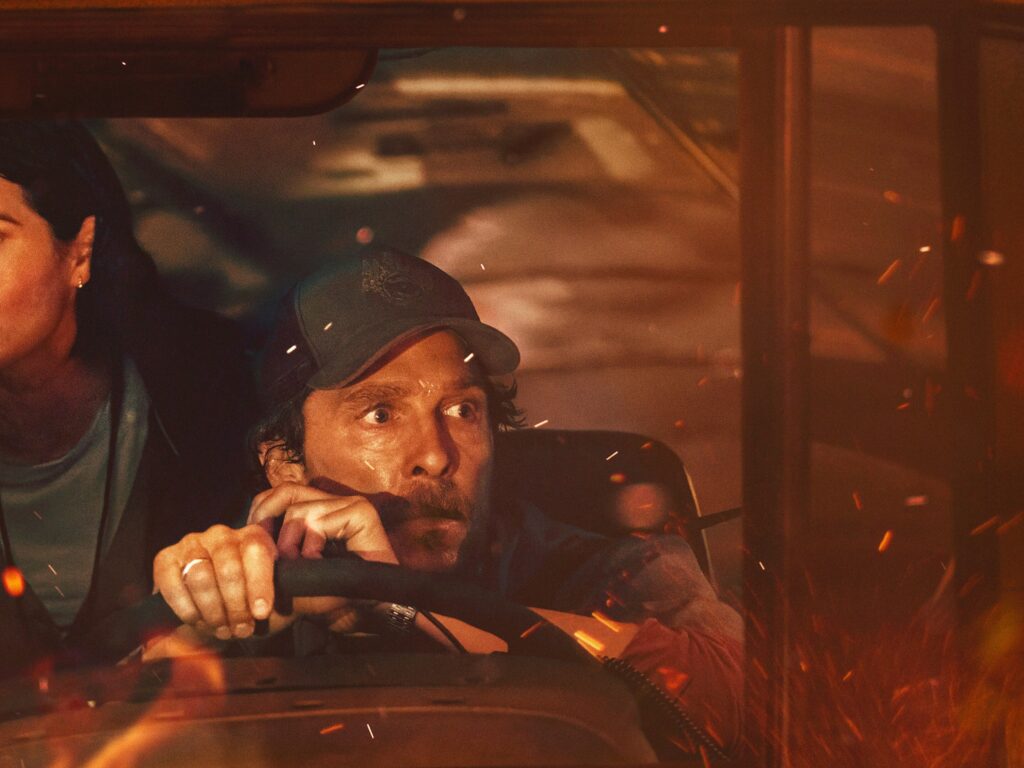
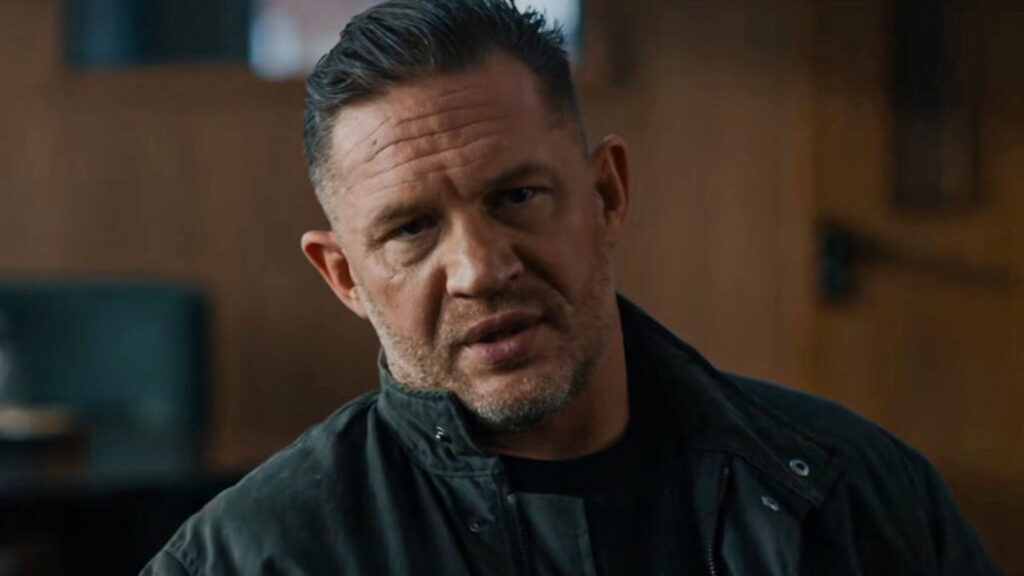
The finale stages its most devastating reveal inside a hurricane. Javier Bardem’s Max Cady escapes during the storm, walks into the Bowden house, and convenes a mock trial with Anna (Amy Adams) and Tom (Patrick Wilson) as the defendants.
What follows is a masterclass in turning legal procedure into a weapon of psychological terror — and a family secret so dark it rewrites everything the audience thought it knew.
Max Cady’s Devastating Realization
The finale stages its most devastating reveal inside a hurricane. Javier Bardem’s Max Cady escapes during the storm, walks into the Bowden house, and convenes a mock trial with Anna (Amy Adams) and Tom (Patrick Wilson) as the defendants.
What follows is a masterclass in turning legal procedure into a weapon of psychological terror — and a family secret so dark it rewrites everything the audience thought it knew.
“He has legitimately been the victim of an injustice,” the creator told Fanbolt. “At the same time, does that mean he’s not a monster?”
The question is the thesis of the entire series, and the finale refuses to offer a tidy answer.
Anna’s Rebuttal and the Twist
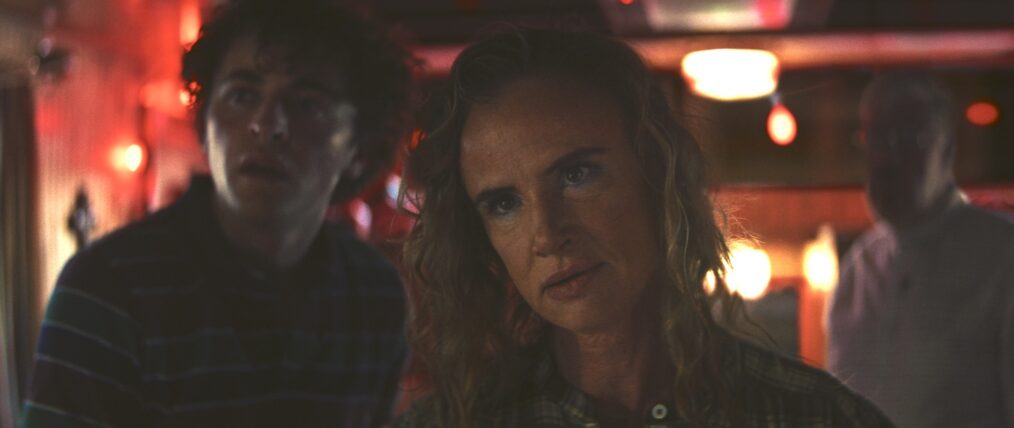
Anna’s rebuttal is the twist. She produces a certificate of home birth registering Luke as the son of Crystal (Juliette Lewis), Max’s younger half-sister.
That paperwork does not survive contact with Crystal’s own medical history, because Crystal could not have children. What emerges is a crime of horrific proportions: Crystal killed Max’s pregnant wife Melissa, took the baby, and raised him as her own.
But the tragedy does not end there. Max had already burned the family boat that same night — with Crystal, Luke and Robert aboard.
He killed his own son without knowing it, and Bardem plays the realization as a physical collapse, the only stretch in ten episodes where the character stops performing for someone.
It is a moment of pure, unguarded devastation that lands harder than any verdict could.
Anna’s Confession and the Marriage at the Center
Anna’s confession lands directly behind it. There was a leak from the jury room, the jury was deadlocked, and she steered her own client into a plea anyway.
She was Max’s defense attorney. Tom was the prosecutor who put the deal in front of him, and the two of them met during that trial and married after it.
That marriage is Antosca’s largest structural departure from John D. MacDonald’s novel and from both film versions, and it is the reason the Cape Fear finale can put an entire family on the stand instead of one guilty father.
The ethical rot at the center of the Bowden marriage now has a name, and it is not simply ambition or fear.
Anna and Tom built their life together on a case they both knew was compromised. The finale forces them to sit in that knowledge without any promise of redemption.
What the Episode Settles — and What It Leaves Sealed
What the episode does settle: Crystal killed Melissa, which clears Max of the one murder he served twenty years for. It clears him of nothing else.
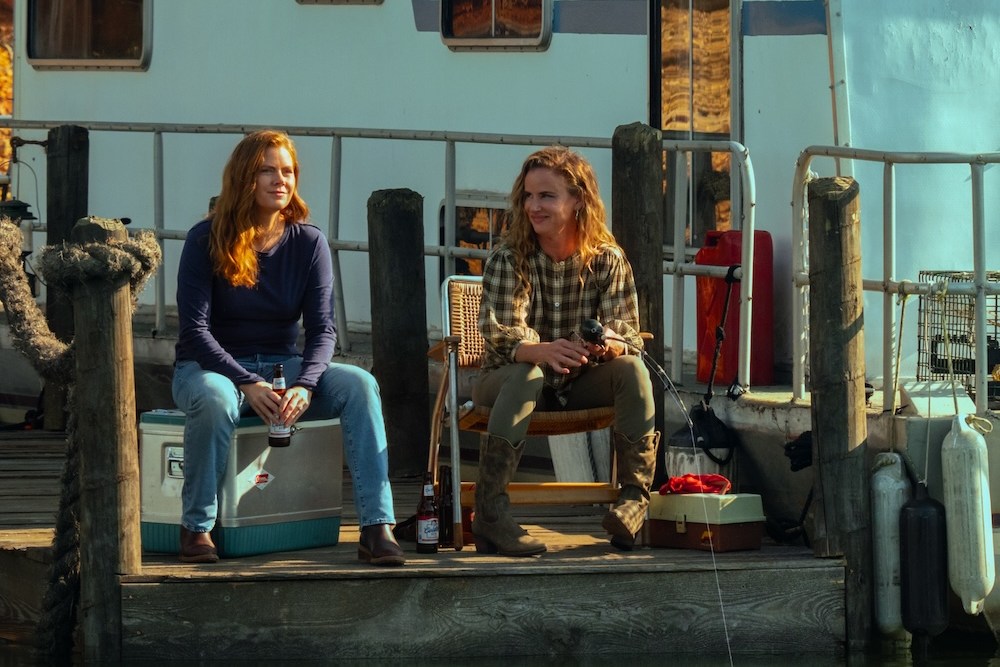
Antosca has been direct about that gap. Bardem has described the uncertainty around Max as deliberate, and the Cape Fear finale honors that by returning a verdict on a single charge and none at all on the man.
Natalie’s paternity stays sealed, and that is literal. She has the DNA results in hand and does not open them.
“My suspicion is that one day Natalie will open that envelope,” Antosca told Fanbolt. The show leaves that choice in her hands, and in doing so refuses to resolve one of the series’ most emotionally charged threads.
It is a bold move for a finale that could have wrapped everything in a neat bow — and a deeply fitting one for a series that has always been more interested in the mess of moral ambiguity than in the comfort of certainty.
The Cape Fear finale does not give the audience a clean verdict on Max Cady.
It gives them something rarer: the space to sit with the uncomfortable truth that a man can be both a victim and a monster, and that the people who wronged him can be just as complicated.
In a television landscape that often demands resolution, Antosca’s refusal to provide one is the most honest thing the series could have done.