Widow’s Bay Balances Dread and Delight in Equal Measure
 ·
Jun 17, 2026
·Updated: Aug 21, 2026 ·
5 min read
·
Jun 17, 2026
·Updated: Aug 21, 2026 ·
5 min readApple TV+’s Widow’s Bay arrives with the confidence of a series that knows exactly what it wants to be. The creative team understands that true terror and genuine laughter share the same DNA: timing.
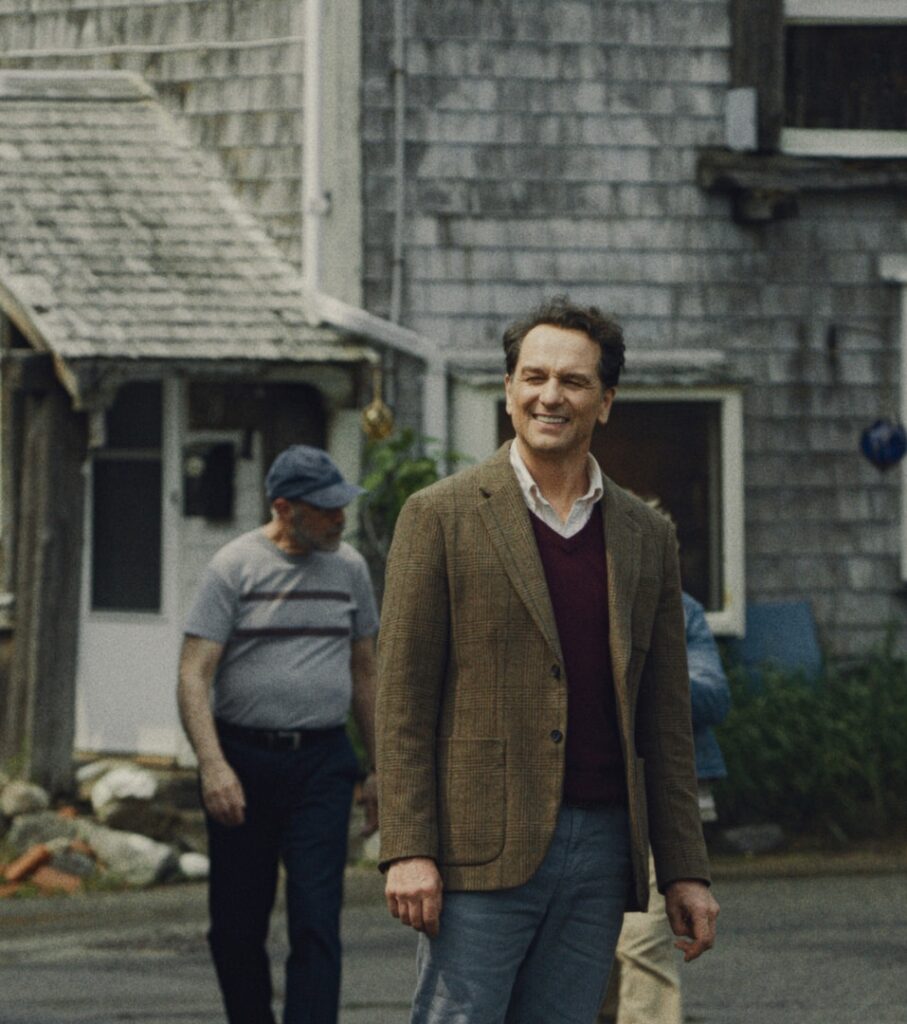
Widow’s Bay traps us on a cursed New England island where Mayor Tom Loftis (Matthew Rhys) attempts to transform generations of local superstition into lucrative tourist revenue despite warnings from longtime residents.
His municipal dreams collide with supernatural forces that refuse to stay buried beneath the quaint bed-and-breakfasts and artisanal coffee shops he hopes to promote.
The show operates across two timelines: the present-day political comedy and a 1702 period narrative that functions as more than mere backstory, creating a layered mythology that rewards patient viewing without requiring encyclopedic knowledge of previous episodes.
Matthew Rhys and the Art of Rationalizing the Irrational
Rhys anchors the chaos with a performance that captures the desperation of a man trying to rationalize the irrational while maintaining his political viability. He plays Loftis as neither skeptic nor believer, but as a pragmatist watching his spreadsheet projections dissolve into ectoplasm during town hall meetings.
This grounded approach allows the surrounding ensemble to explore broader, more theatrical registers without capsizing the show’s emotional reality or losing the audience in camp excess.
Kate O’Flynn’s Patricia emerges as the season’s secret weapon, delivering cringe comedy that curdles into genuine horror without changing gears.
Her spotlight episode transforms a possession narrative—centered on a malevolent self-help book—into both the season’s funniest and most disturbing hour, showcasing the writing staff’s ability to pivot between genres within single scenes.
Stephen Root matches her energy as Wyck, the island’s superstitious elder, bringing gravitas to lines that could have played as mere punchlines in lesser hands.
Together, they create a chemistry that suggests community itself might be the show’s true protagonist, bound together by shared dread and the desperate laughter of people who recognize their geographic and spiritual isolation.

Jeff Hiller provides consistent comedic relief throughout the season, serving as a necessary pressure valve when the supernatural elements threaten to overwhelm the narrative’s carefully calibrated tone.
The 1702 Timeline Refuses Exposition
A retro aesthetic reminiscent of 1970s and 1980s horror cinema permeates the cinematography, creating a visual language that signals this is adult storytelling, not adolescent fantasy.
Seventeenth-century sequences featuring Betty Gilpin and Hamish Linklater avoid the exposition dumps that plague similar dual-timeline narratives in other genre shows.
Rather than pausing the action to explain the curse through clumsy dialogue, these historical detours deepen our understanding of love, loyalty, and sacrifice across centuries through action and visual storytelling.
The production design here deserves particular mention: the period setting feels lived-in rather than museum-piece sterile, creating a visual continuity between past and present that suggests the island itself remains unchanged while human ambitions cycle through like seasons, each generation believing they will be the ones to finally break the pattern.
This structural choice reinforces the central thematic preoccupation with cyclical history and the impossibility of escaping inherited trauma. The show argues that evil isn’t a singular event but a repeating pattern, one that reasserts itself whenever modernity attempts to pave over ancient wisdom with asphalt and Wi-Fi connections.
Mayor Loftis’s tourism initiative represents more than economic development; it embodies the Enlightenment fallacy that progress can outrun the darkness that predates electricity and concrete foundations.
When Setup Episodes Test Patience
Not every episode maintains this momentum with equal precision. Episodes five and six occasionally stall as they position pieces for the mid-season reveals, creating moments where the island’s atmosphere feels more like a waiting room than a pressure cooker.
These transitional hours rely heavily on character interactions to maintain engagement during plot-heavy table-setting that sometimes sacrifices immediate gratification for long-term structural payoff.
Occasionally, the show struggles to balance its philosophical weight with its entertainment value in ways that disrupt the viewing experience.
When characters debate whether the haunting represents divine judgment or demonic malice, the dialogue sometimes grows pedagogical, slowing the pace to lecture when it should unsettle through implication rather than explanation.
These moments feel like growing pains rather than fundamental flaws, suggesting a series still calibrating exactly how much darkness its comedy can carry without collapsing under the weight of its own elaborate mythology.
Mid-season episodes deliver the promised lore with surprising efficiency, connecting the 1702 narrative to present-day Widow’s Bay through visual rhymes rather than heavy-handed exposition.
The writers trust their audience to draw parallels between historical sacrifices and contemporary municipal politics, creating a viewing experience that rewards attention without demanding homework or supplemental reading.
This approach positions the series as a grown-up counterpoint to the nostalgia-heavy supernatural dramas that have dominated recent years; where Stranger Things wraps its horror in synth-pop and childhood innocence, Widow’s Bay offers something more adult and less forgiving in its examination of community trauma.
The island setting functions as a perfect closed system for cosmic horror, isolated enough to trap its characters but populated enough to sustain the complex social dynamics that generate both humor and genuine pathos.
By its seventh episode, Widow’s Bay has established itself as one of the year’s most assured new series. It proves that horror and comedy need not compete for dominance when both serve the same story of a place that refuses to be gentrified out of its ghosts.