Jack Reacher Season 4 Sharpens the Blade but Stumbles Over Its Own Footing
Jack Reacher Season 4 adapts Lee Child's novel Gone Tomorrow, shifting from guns to blade fights while following Reacher from a New York subway suicide into a…
 ·
Aug 12, 2026
·
6 min read
·
Aug 12, 2026
·
6 min readThere’s a moment early in Jack Reacher Season 4 where Alan Ritchson’s 6’3” frame fills a subway car, and you realize this show has no interest in being anything other than exactly what it is: a towering, bone-crunching, old-school action serial that knows its audience and delivers accordingly.
The fourth season, adapting Lee Child’s 13th novel Gone Tomorrow, sends Reacher from a woman’s suicide on a New York subway into a Philadelphia-and-D.C.-bound conspiracy. And the reception?
Genuinely split, the kind of divide that says less about quality than about what viewers want from their action television in 2025.
A Bigger Knife, A Tighter Leash
What’s immediately striking about this season is the pivot away from firearms. The choreography leans heavily on blade work, and the combat sequences are the most inventive the series has produced.
Fights feel closer, more desperate, and the camera lingers on consequences in a way that raises the stakes without tipping into torture-porn territory. Showrunner Nick Santora keeps the machine humming: eight episodes, minimal padding, conspiracy threads that accumulate at a pace that rewards weekend bingers and impatient weeklies alike.
Philadelphia’s architecture does real work here too, with subway tunnels and federal corridors giving the action a geography that feels distinct from the show’s previous Southern-fried stomping grounds.
But the engine sputters when the writing tries to do more than punch. Several stretches of dialogue aim for political commentary and land somewhere between cable-news monologue and motivational poster. The season wants to say something about power, institutional rot, and the cost of looking away, and occasionally it does.
More often, it swerves into earnestness that the show’s own tonal blueprint can’t support. When a secondary character explains the conspiracy’s implications, the line reading feels cribbed from a different, more self-serious program.
Ritchson Owns Every Frame He Stands In
If you’re going to build a show around a man who can palm a dinner plate, you need an actor who understands that physicality is characterization. Ritchson gets it.
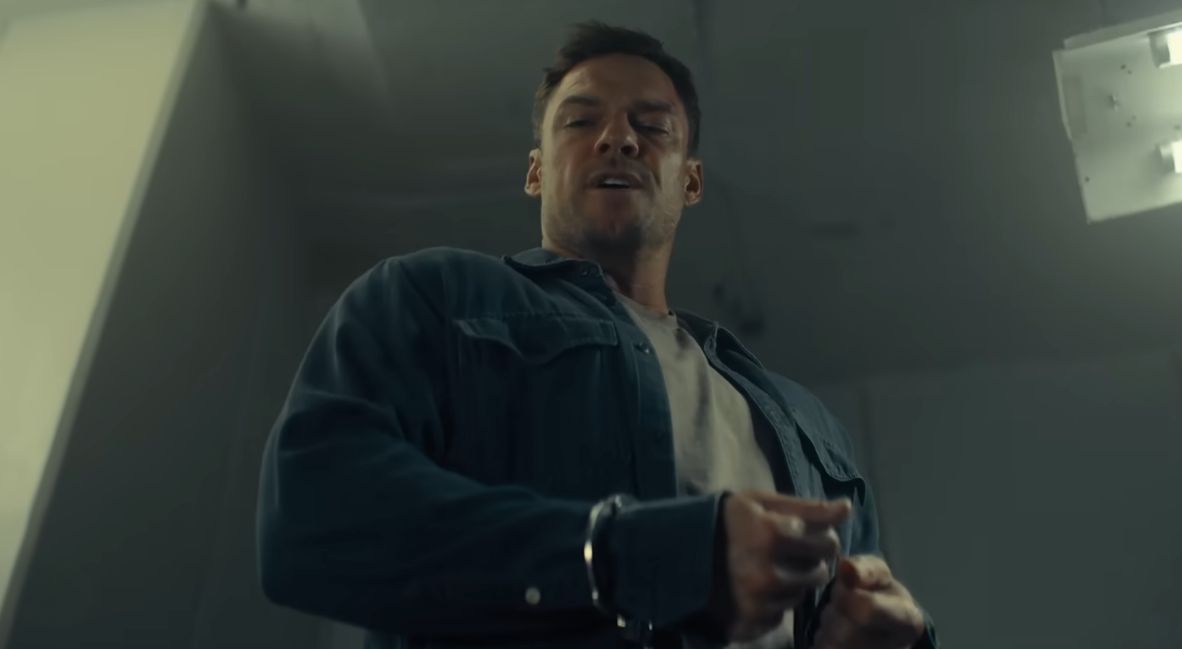
His Reacher moves through these eight episodes with a coiled efficiency, deploying dry wit and understated humor that gives the character more dimension than the page-bound version sometimes manages.
This season leans into a looser, almost playful Reacher, cracking jokes that would feel out of place from a lesser performer but register as earned confidence here.
One scene where he needles a federal agent across a diner counter exemplifies the way Ritchson uses stillness as comedy, letting silence do the heavy lifting.
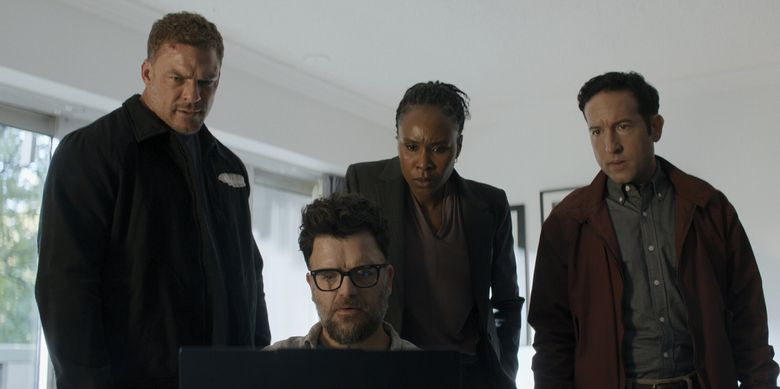
The supporting cast rises to meet him. Christopher Marquette, playing Jacob Merrick, walks away with the season’s most affecting work, delivering a quiet, bruised emotional center that gives the conspiracy its human stakes.
Marquette’s performance is the kind of thing that reminds you how much good character work hides in genre television when someone bothers to look for it. Sydelle Noel, as Detective Tamara Green, provides a sharp, no-nonsense foil who matches Reacher’s stubbornness without ever becoming a sidekick caricature.
The two of them together generate the season’s most satisfying scenes, a reminder that the show functions best when it gives Reacher worthy verbal sparring partners.
The Comfort-Food Problem
Here’s where the season’s split reception lives. Reacher as a property has always been about reliability: the same kind of satisfaction you get from a well-made burger at a place you’ve been eating for years. Season 4 perfects that formula in ways that thrill loyal viewers.
The plotting is tighter, the action is sharper, and the emotional stakes feel higher than previous seasons. Fans who showed up for exactly this will leave satisfied.
The finale delivers a self-contained resolution that earns its conspiracy throughline, wrapping the season’s emotional question (Reacher’s guilt, his compulsion to insert himself into other people’s catastrophes) with enough nuance to register.

The problem is that perfection of formula can also read as exhaustion of formula. Some departures from Child’s source material feel unnecessary, choices that suggest the writers’ room wanted to put its own stamp on a story that already worked.
A late-season tonal shift toward governmental absurdity pushes past the show’s own internal boundaries, and at least one climactic sequence plays more like parody than thriller. These are the moments that divided critics, the scenes where the show’s self-awareness curdles into something that feels embarrassed by its own identity.
One reviewer at The Playlist wrote a notably negative notice, arguing the season’s writing collapses under the weight of its own ambitions, and while that assessment feels harsh, the uneven dialogue and occasional cartoonish performance choices give it traction.
What Reacher Says About Action TV Now
Season 4 inadvertently makes a case for something larger than its own plot. In a television environment that has spent the last decade pushing action into either prestige minimalism or bloated franchise expansion, Reacher stubbornly remains itself. Eight episodes. One conspiracy.
A hero who wins fights and makes mistakes and sleeps in buses. The show understands that there’s a genuine appetite for this kind of storytelling, and it has built one of the rare modern action series that consistently delivers on its promises.
That consistency is its own form of commentary, a quiet rejection of the bloat that has infected the genre elsewhere.
Whether that consistency reads as comfort or staleness depends entirely on your appetite. For viewers tired of four-episode prestige dramas stretched across ten hours, Season 4 is a relief. For those wanting Reacher to evolve more aggressively, it can feel like a rerun with shinier production design.
The political commentary, when it lands, adds a layer that previous seasons lacked, and the guilt threading through Reacher’s arc this year gives the character something to wrestle with beyond his next opponent.
But the writing inconsistency, the tonal wobbles, and the occasional descent into hammy performance keep it from the unqualified triumph it sometimes approaches.
A Season That Cuts Deep, If Not Clean
Jack Reacher Season 4 is the kind of season you’ll recommend to specific friends, with specific caution.
Yes, the action is the best the show has produced, and Ritchson continues to be the most physically credible action lead working in television.
Yes, the conspiracy earns its complexity, and Philadelphia makes for a refreshing change of scenery. But also, be warned that some of the dialogue trips over its own themes, and the tonal swings between dead-serious thriller and knowing genre exercise don’t always reconcile.
The season is a knife fight: thrilling, occasionally messy, and capable of drawing blood when it connects. Whether that adds up to triumph or just another solid entry depends on how much you value consistency over surprise, and how forgiving you are when a comfort-food favorite reaches for something it can’t quite grasp.