Lee Cronin’s The Mummy Turns Family Horror Ferocious
 ·
Apr 20, 2026
·Updated: Aug 21, 2026 ·
6 min read
·
Apr 20, 2026
·Updated: Aug 21, 2026 ·
6 min readLee Cronin’s The Mummy approaches one of horror’s oldest icons with a nasty, contemporary bruise: a family already cracked by loss is asked to welcome back the child they thought was gone forever, only to discover that reunion can be its own kind of haunting.
The result is a film that is often smart about emotional damage and frequently reckless about everything else, which is exactly why it keeps snagging the attention even when it stumbles.
A homecoming with teeth
The premise is disarmingly efficient. A young girl vanishes in Egypt, returns eight years later, and sends the household into collapse as something ancient and hungry begins using her body as a conduit for terror.
Cronin treats the setup less like a mythological expedition than a domestic nightmare, and that choice gives the film a queasy intimacy that most mummy stories never even attempt.
Jack Reynor plays the father as a man trapped between relief and dread, and the performance benefits from how narrowly the film understands guilt: his face often seems to register that he has no idea whether he has been given a second chance or a punishment.
May Calamawy brings a harder, steadier edge as the Egyptian detective whose presence gives the story a little procedural ballast, though the script never fully uses her perspective as well as it should.
Natalie Grace takes the room
The film’s most unsettling force is Natalie Grace, whose possessed daughter is all twitching stillness one moment and feral eruption the next.
Cronin wisely lets her play the role in phases, so that the character feels less like a constant barrage of effects than a person being slowly erased in front of her family’s eyes.
That strategy pays off because the movie understands body horror as an extension of grief: broken teeth, peeling skin, and other gross-out flourishes become physical versions of parental helplessness.
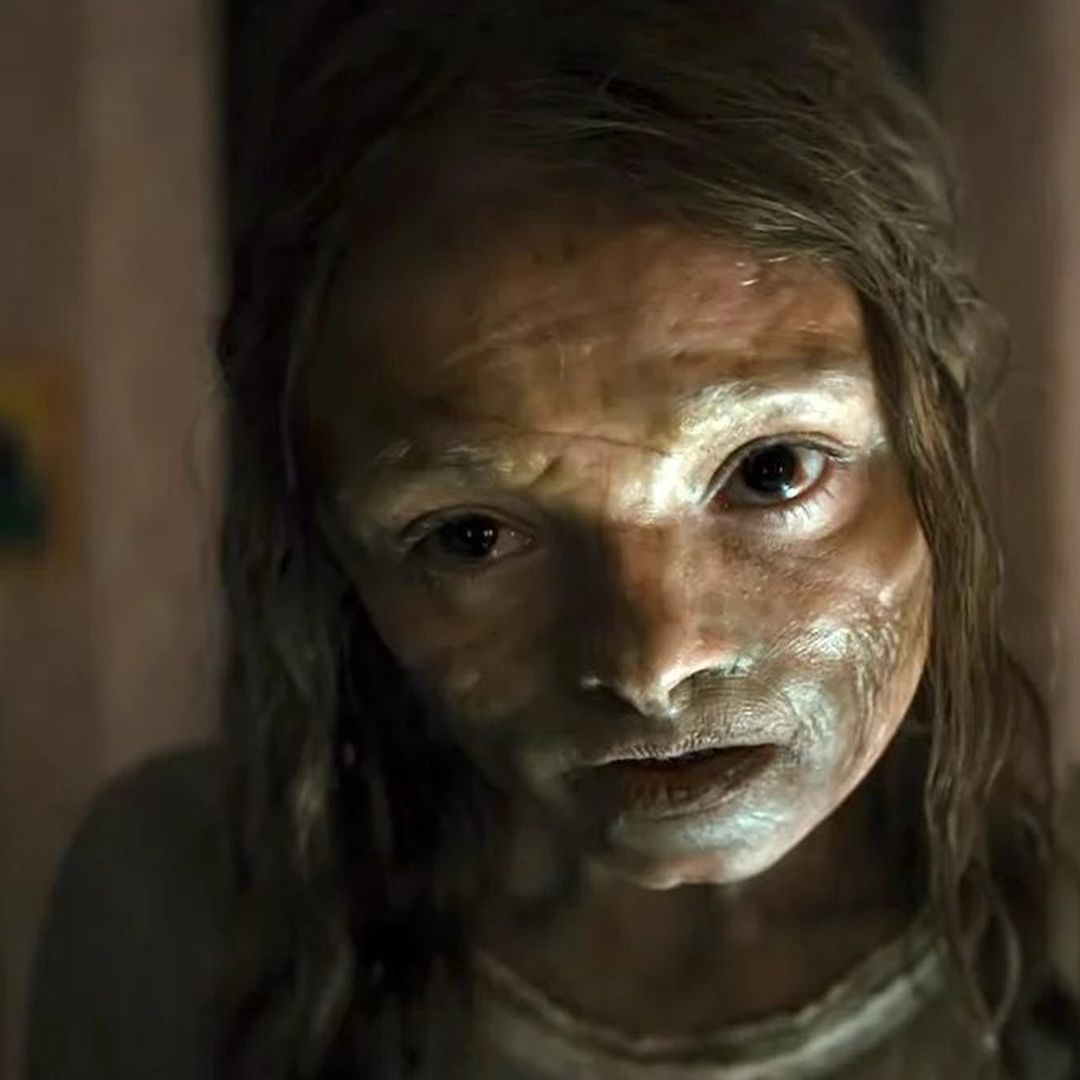
Each transformation lands with more force when it arrives in a scene already charged with accusation, especially in the moments when the father’s need to believe in his daughter collides with the evidence of what she has become.
Cronin’s slick, ugly machinery
Cronin stages the horror with a confidence that never feels timid, and the sound design does a great deal of heavy lifting when the screenplay starts to wobble.
Scrapes, pops, whispers, and sudden ruptures give the film an audio texture that remains tense even during the quieter stretches, and the production design folds that unease into the home itself until bedrooms, hallways, and sickly-lit corners feel contaminated.
There is also a pointed energy to the editing whenever the film leans into mayhem.
The pacing has bite in its best stretches, yet the running time keeps stretching scenes past the point of accumulation, and the extra minutes expose a structural problem: the story keeps reaching for new jolts before it has finished paying off the old ones.
That looseness matters because the mythology never settles into a rule set sturdy enough to support the escalation.
The entity’s powers shift when the plot requires a new threat, and the film’s internal logic becomes elastic in a way that can feel less mysterious than careless, as if the screenplay is borrowing a curse iconography and filling in the blanks later.
Borrowed shadows, loud echoes
The bigger issue is familiarity.
Cronin’s film wants the shock of possession horror, and it gets there through splattery escalation that often recalls The Evil Dead more than any traditional mummy tale, with flashes of The Exorcist and even the family-wound obsession of Hereditary hovering in the background.
That borrowing is not fatal on its own; genre work has always been a conversation with what came before.
Yet here the references can crowd out the personality of the material, and at times the film feels like it is wearing other people’s scars rather than finding its own.
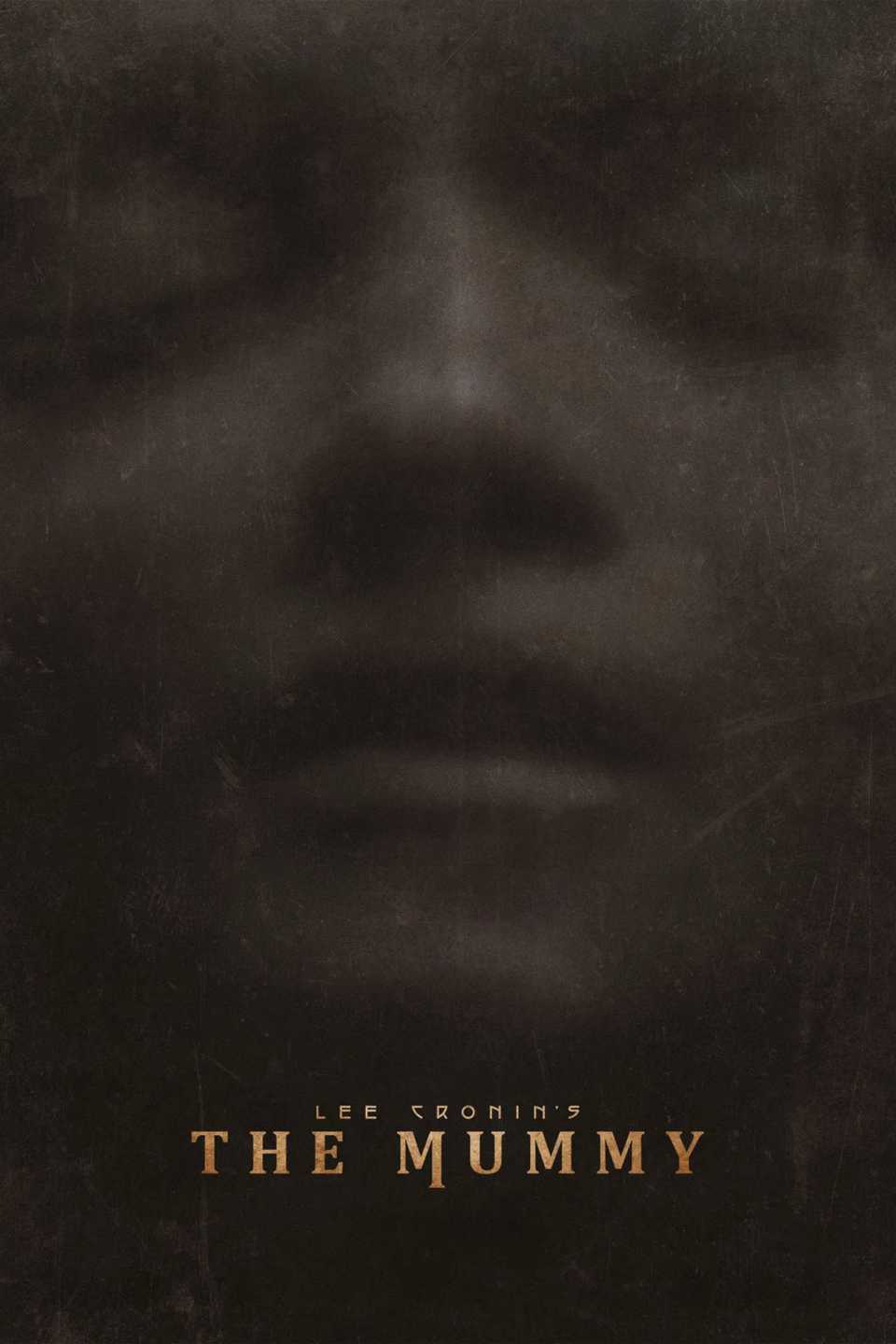
The title itself, with Cronin’s name attached, feels half like branding and half like a dare, and the movie never fully decides whether that gesture is cheeky or overconfident.
Possession and the family fracture
Even so, the film has a clearer thematic spine than its messier mechanics suggest.
The possession story functions as a brutal metaphor for parental guilt, and the horror lands because the family cannot agree on whether they are protecting the girl, the memory of the girl, or a thing that has already replaced her.
That tension gives the best scenes a tragic charge.
The mother, father, and child become less a unit than three competing interpretations of the same loss, and Cronin keeps returning to that fracture with enough persistence that the movie’s emotional damage outlasts some of the more routine shocks.
The tonal instability, however, is harder to forgive.
At times the film slips into accidental humor, and not in the productive way a horror movie can when it times a scream or a reveal with cruel precision; here the shifts can feel unearned, as if the film is uncertain whether it wants dread, catharsis, or a crowd-pleasing splatter reel.
A fierce idea with uneven bones
The Mummy is at its strongest when it treats resurrection as contamination and family reunion as a violation.
Cronin and his cast create enough panic, anguish, and ugly physical invention to keep the film alive even when the script starts repeating its own gestures, and the best sequences have the kind of rotten glamour that horror fans will happily carry out of the theater.
Its flaws are plain, though, and they are not minor: the film runs long, the logic bends under pressure, and the attempt to modernize a classic monster often lands as imitation rather than reinvention.
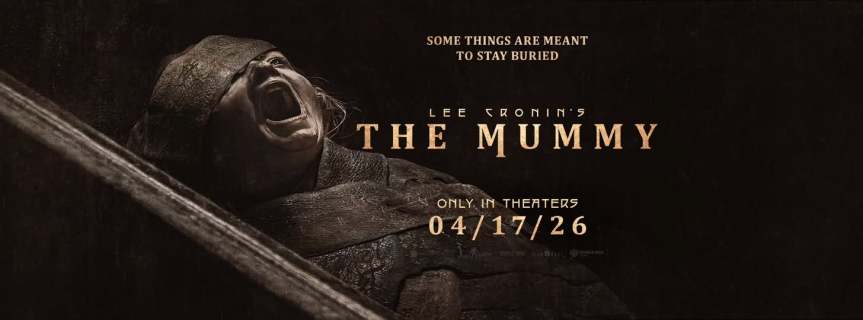
Still, there is real nerve in the way it refuses to present the mummy as a dusty relic; it becomes a vehicle for grief, guilt, and domestic ruin, which is a richer idea than the genre usually grants it.
That tension between fresh emotional stakes and borrowed horror grammar leaves Cronin’s film in an awkward but memorable place.
It may not reshape the mythology, yet it leaves behind a sickly afterimage of a family trying to recognize its own child while the house around them fills with something ancient and wrong.
Final Score: 7/10
A ferocious, uneven reimagining with real horror muscle.