Lexi Minetree Shines as Elle Woods in ‘Amazon’s Cringe-Inducing Prequel
 ·
Jul 1, 2026
·Updated: Aug 21, 2026 ·
5 min read
·
Jul 1, 2026
·Updated: Aug 21, 2026 ·
5 min readSometimes a prequel arrives not because its subject demands origin-story treatment, but because a studio smells untapped licensing potential. Amazon’s Elle, a 1995-set high school drama built around the teenage years of Reese Witherspoon’s iconic Legally Blonde character, falls squarely into that latter category.
Pink Meets Flannel
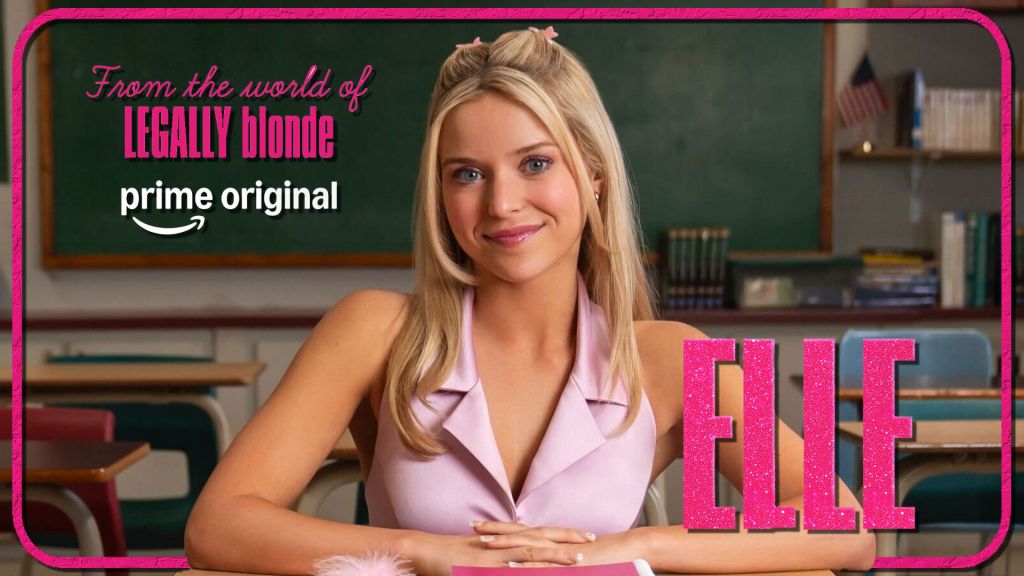
The premise is simple enough: sixteen-year-old Elle Woods relocates from sunlit Los Angeles to a drizzly Seattle high school after her plastic surgeon father’s malpractice scandal implodes the family fortune.
Creator and showrunner lean hard into the cultural whiplash, pitting Elle’s pink-clad, manicured optimism against a student body that worships Kurt Cobain and considers any mainstream pop culture a capital offense.
The central question of the first season is whether Elle can maintain her identity without abandoning the Pacific Northwest’s rigid codes of authenticity.
Lexi Minetree Earns the Right to the Role
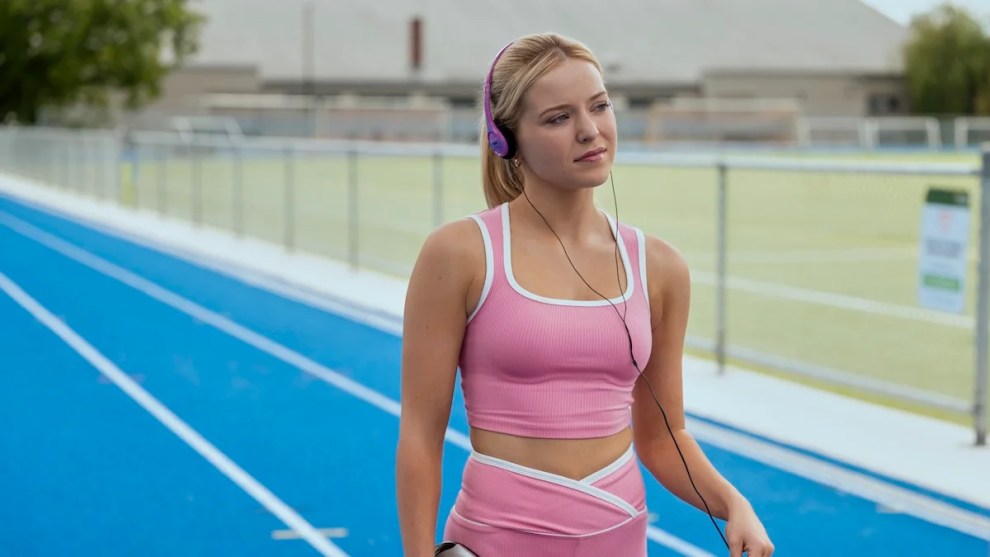
Any skepticism about the project dissolves the moment Minetree appears on screen. She has Witherspoon’s vocal cadence down cold, the breathy sincerity and clipped inflections that made “What, like it’s hard?” feel throwaway, yet she builds on those tics rather than merely imitating them.
The performance captures the character’s particular genius: Elle’s femininity has never been costume, it’s armor. Watching Minetree weaponize a raspberry-colored beret against a hallway full of combat boots is to understand the character more clearly than either film installment ever managed.
The Grunge Problem
Where the series stumbles is in its portrait of Seattle itself. The show’s version of 1995 Pacific Northwest youth culture is a wax museum staffed entirely by grunge stereotypes.
Every secondary student seems to have swallowed a copy of Seventeen‘s worst listicle about authenticity, and the adults aren’t much better.
There’s an odd irony the show never confronts directly: the very teenagers mocking Elle for loving Beverly Hills, 90210 are doing so in the era when that show was among the most-watched programs in America. The setting needed either a sharper satirical edge or a more generous humanism.
It settles for neither.
A Few Stumbles, Then a Groove
The season’s biggest structural weakness is its fitful first three episodes, which drift through stock fish-out-of-water set pieces—Elle gets embarrassed in gym class Elle clashes with a mean girl played with one-note relish by Chandler Kinney Elle questions whether to compromise her wardrobe.
These early installments feel like a 90-minute film awkwardly stretched across an hourlong format, leaning on setup without earning viewer investment. By the fourth episode, though, the pacing sharpens.
A midseason storyline involving Elle’s mother (a wonderfully exasperated June Diane Raphael) rebuilding her own career gives the show its first real emotional stakes, and the writing grows confident enough to let supporting characters breathe.
Soundtrack as Love Language
Production design deserves its own paragraph of praise. The wardrobe team has done exceptional work distinguishing Elle’s LA-glamour-girl-in-exile aesthetic from the surrounding flannel, and the title sequence’s deployment of Garbage’s “Only Happy When It Rains” is the kind of needle-drop choice that justifies a music supervisor’s entire fee.
Soundgarden, The Cranberries, and Radiohead all surface at moments that feel considered rather than cluttered, grounding the era with audible specificity.
Knowing Too Much
The series also struggles with a problem unique to prequels built around characters with known futures. Every time Elle faces an obstacle, the audience can see the law school acceptance letter hovering somewhere in the off-screen distance, which drains genuine tension from conflicts that might otherwise feel urgent.
The original film worked because Elle’s triumph was unexpected; the series knows its destination, and that foreknowledge flattens the route. A sharper show might have leaned into this structural irony, using our certainty about Elle’s future as a source of dramatic irony rather than treating it as background noise.
Instead, the script settles for familiar teen-drama formulas, and the romantic subplot involving a coffee-shop musician is so thinly conceived it practically evaporates between scenes.
Camp, and Its Absence
What the original Legally Blonde understood, and what this prequel largely forgets, is that Elle’s story works because the world around her is faintly ridiculous and her refusal to bend is itself a kind of camp. The series plays things straight almost to a fault, mistaking sincerity for depth.
Minetree brings enough sparkle to compensate in her close-ups, but the writing rarely matches her energy. A few sharper lines of dialogue, the kind that the film traded in like currency, would have elevated the entire enterprise.
Where Does Elle Go From Here?
By the season finale, Elle has settled into a comfortable register: pleasant, occasionally funny, anchored by a star-in-the-making lead performance. Whether that register justifies the show’s existence is a question the first season ultimately dodges.
The character didn’t need an origin story, and the Seattle relocation—contradicting established film canon in ways the show seems uninterested in addressing—exists primarily to manufacture conflict rather than illuminate character.
What remains, after the credits roll, is the promise of Minetree herself, who deserves better material than this, and a soundtrack worth queueing up.