The East Palace Review: Spirits, Splendor, and Sharp Teeth
Netflix’s The East Palace follows a sword-for-hire and a clairvoyant court lady investigating a vengeful spirit targeting the royal bloodline.
 ·
Aug 9, 2026
·Updated: Aug 10, 2026 ·
5 min read
·
Aug 9, 2026
·Updated: Aug 10, 2026 ·
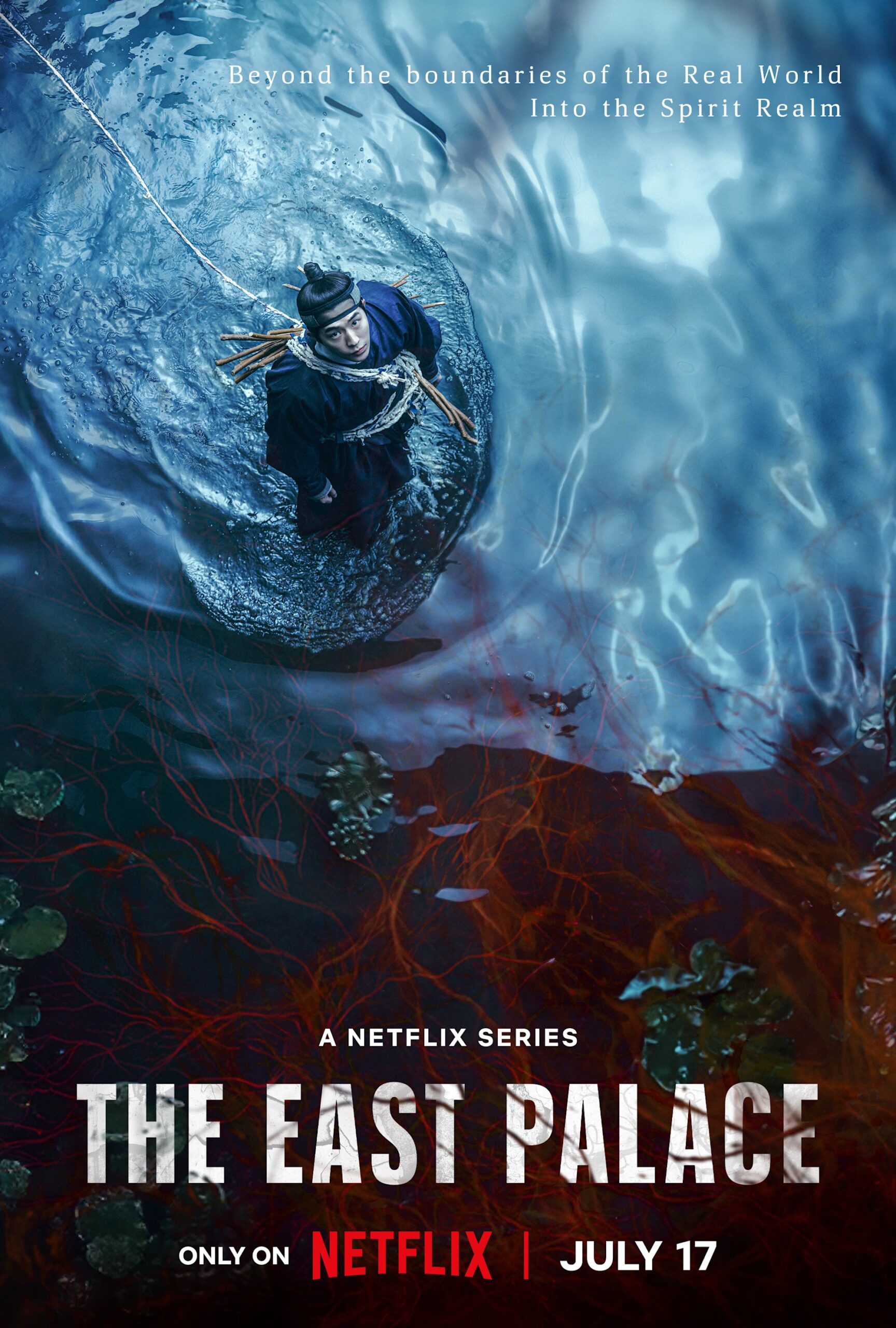
5 min readThe East Palace arrives draped in silk and soaked in blood, a Joseon-era supernatural thriller that treats the Korean monarchy less as a setting and more as a haunted house.
Across eight episodes, Netflix’s latest Korean original dares to mash up folk horror, political thriller, and anime-inflected action into something that shouldn’t quite work but largely does.
A Pond Spirit Walks Into a Palace
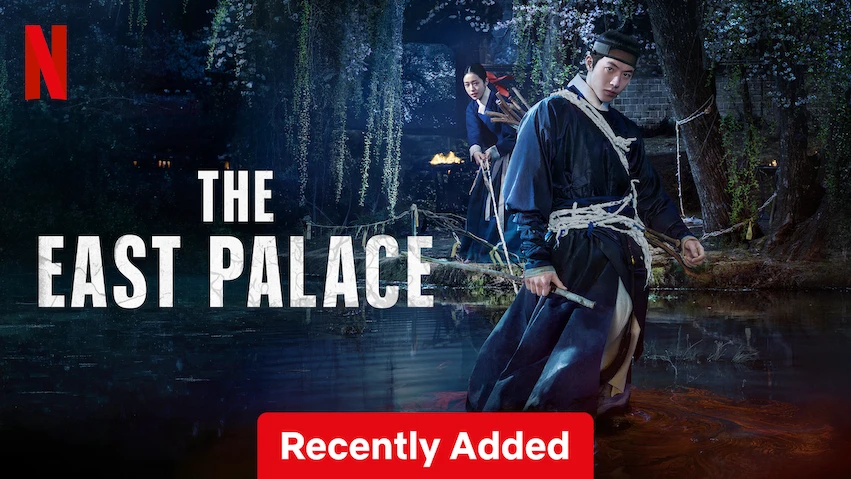
Season one follows Gu-cheon, a reluctant sword-for-hire with the inconvenient talent of seeing spirits, and Saeng-gang, a clairvoyant court lady whose visions have made her both invaluable and expendable to the crown.
When a vengeful spirit begins targeting the royal bloodline from the waters of a palace pond, the two are reluctantly thrust together.
The premise is straightforward gothic setup, but creators Kwon So-ra and Seo Jae-won use it as scaffolding for a far more layered exploration of inherited violence and the rot festering beneath dynastic power.
The show’s mythology draws from genuine Korean shamanic and Buddhist traditions, grounding its supernatural mechanics in cultural specificity rather than borrowing wholesale from Western ghost stories. This is folklore as lived practice, not decoration.
Nam Joo-hyuk’s Reluctant Hero
Gu-cheon could have been insufferable in lesser hands, a brooding loner archetype that has clogged up fantasy dramas for decades. Nam Joo-hyuk sidesteps the trap entirely by playing the character with a disarming, almost adolescent irreverence.
He treats the apocalypse unfolding around him like an inconvenience, and that comedic tension between the mundane and the monstrous gives the show its distinctive flavor.
Roh Yoon-seo’s Saeng-gang serves as the emotional anchor. Where Gu-cheon deflects with charm, she absorbs the weight of what they uncover, and Roh carries the series’ moral gravity with a quiet steadiness that keeps the horror from tipping into spectacle.
Their dynamic reads more like siblings circling each other than the conventional romantic pairing Korean dramas tend to demand, a choice that feels more honest to two people who have no business trusting each other.
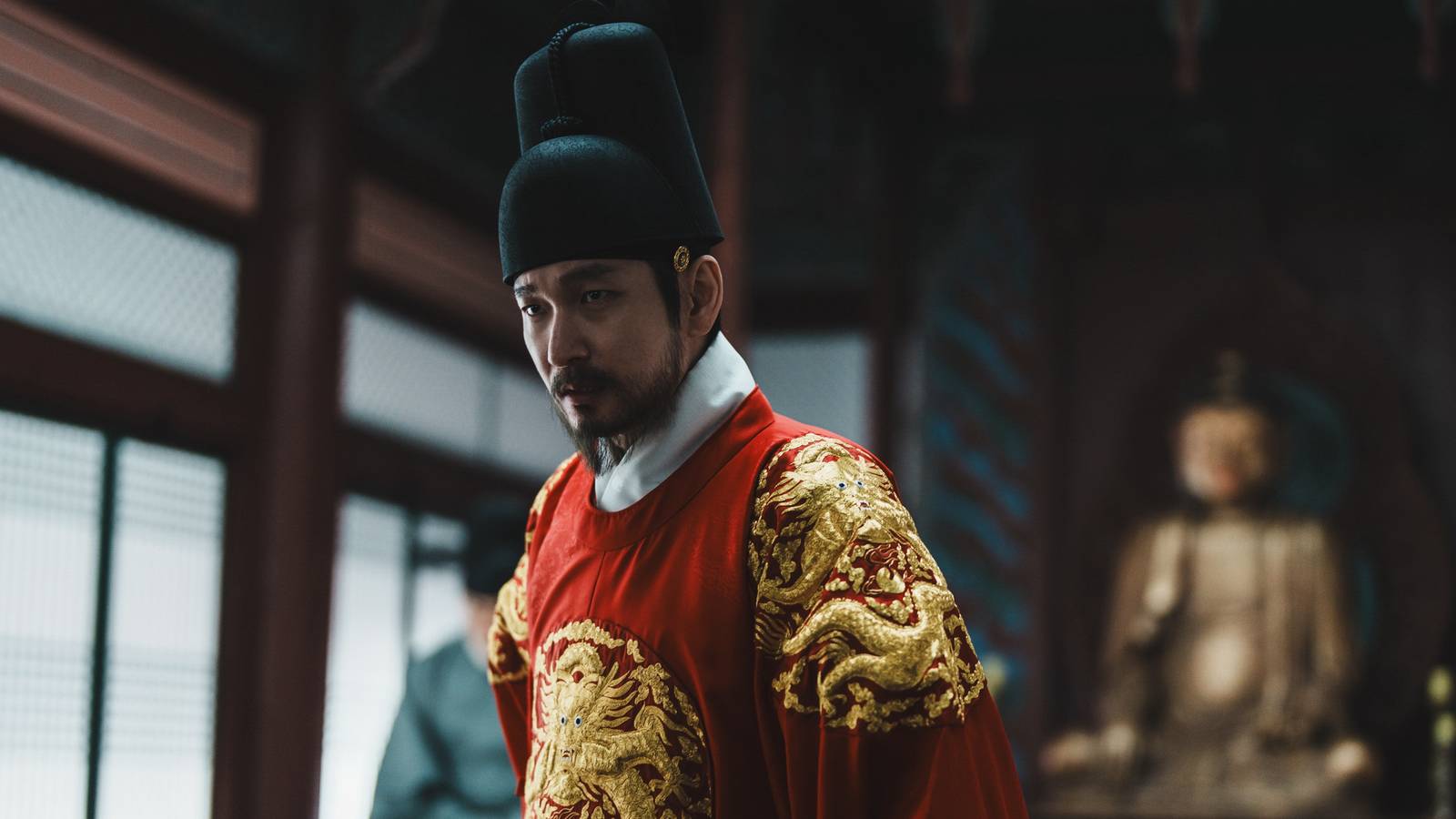
Cho Seung-woo’s King arrives later in the season and reshapes the show’s center of gravity. His performance avoids the easy trap of mustache-twirling villainy, instead rendering a ruler who understands exactly what kind of institution he presides over and has made peace with its demands.
Direction That Breathes Like a Comic Book
Director Choi Jung-kyu shoots the action sequences like he’s storyboarding a seinen manga adaptation. Fights unfold with elastic, exaggerated movement, the camera swinging through the frame with the same kinetic logic as a Demon Slayer fight.
It’s a style that could feel jarring in a period drama, but Choi commits fully, using the heightened energy to mirror the destabilized reality the characters inhabit.
The creature work deserves special attention. The pond spirit and its manifestations are rendered through a combination of prosthetic makeup and CG that achieves a physicality most streaming productions never approach. When a spirit takes form, you can almost smell the rot.
The sound design amplifies every wet, crackling, unnatural noise into something genuinely unnerving, making the horror sequences land far harder than the genre typically manages on television.
Where the Splendor Outpaces the Story
For all its craft, the series stumbles when the plot demands explanation. Episode four in particular loads up on mythology dumps, with characters conveniently stationed to deliver history lessons just as the audience needs them.
The exposition feels engineered rather than earned, and the momentum briefly stalls as the show races to establish rules for its expanding supernatural cosmology.
The genre ambition can also feel overstuffed. Horror, political conspiracy, romance, comedy, and action jostle for screen time, and while each component works well in isolation, their collision sometimes produces tonal whiplash.
Viewers expecting a clean thriller may find themselves whiplashed by a leech-spirit attack followed immediately by a bickering comedy beat.
Some supporting figures, particularly members of the broader royal court, remain frustratingly opaque. Their allegiances shift with little setup, leaving the political dimensions of the drama feeling more like backdrop than engine.
Inheritance and the Ghosts We Make
Beneath the spectacle, the series fixates on a cyclical horror, the idea that royal bloodlines do not merely pass down power but pass down trauma, with each generation inheriting the violence of the last.
The pond spirit is less a monster than a symptom, a manifestation of every atrocity the palace has swallowed and refused to reckon with.
This framing extends outward to the characters themselves. Gu-cheon’s supernatural gifts isolate him from ordinary life, while Saeng-gang’s visions mark her as a tool of the state rather than a person within it.
The show quietly asks who gets to be human in a system designed to strip humanity from anyone it touches, and the answer, predictably, is almost no one.
Eight Episodes, Eight Good Reasons to Stay
The season’s pacing is built for consumption rather than patience, and the structure rewards bingeing. Clues accumulate steadily, each episode ending on a hook that makes hitting play on the next one feel less like a choice than a reflex.
The finale delivers a climax that leans fully into the horror, then closes on an emotional beat that reframes everything preceding it.
The East Palace doesn’t reinvent the K-drama wheel, but it does bolt on a few sharp, unusual teeth. With its striking creature design, committed performances, and a central relationship that earns its emotional weight, it stakes out territory that Kingdom hinted at but never fully claimed. Season two has its work cut out, but for now, this is a confident, strange, and frequently terrifying ride.