Finding Emily Review: Manchester’s Best Romcom in Years
 ·
Jul 1, 2026
·Updated: Aug 21, 2026 ·
6 min read
·
Jul 1, 2026
·Updated: Aug 21, 2026 ·
6 min readIt’s rare to see a proper British romantic comedy on the big screen in 2026, and rarer still for one to actually deliver on the promise of its sun-drenched poster.
Finding Emily, the latest from Working Title, arrives in cinemas with the unenviable task of making us care about two people falling for each other when half the audience has already sworn off the genre entirely. Against the odds, it pulls off something quietly special.
A Campus, A Wrong Number, A Question of Consent
Owen (Spike Fearn) meets a girl at a Manchester university party, gets the wrong number, and spends the next several days scouring the campus in search of this stranger who may or may not have given him a bum digit.
Unknown to Owen, a psychology postgraduate named Emily Raine (Angourie Rice) has selected him as the subject of her thesis on romantic obsession, observing his behavior from a clinical distance that gradually collapses.
What emerges is a two-hander about the gap between the person we imagine someone is and the person they actually turn out to be.
Spike Fearn’s Reluctant Romantic
Fearn has been quietly building a CV of awkward young men teetering on the edge of self-awareness, and Owen is his most fully inhabited work yet.
The performance lives in hesitation: the way Owen almost speaks, the half-turns away from conversation, the desperate optimism that keeps him searching for someone who may have been a mirage from the start.
What saves the character from cloying naivety is Fearn’s instinct to play Owen’s vulnerability as something he’s actively trying to suppress, rather than something he wears on his sleeve. You can feel him editing himself in real time.
This is the kind of performance that makes you root for someone who, in lesser hands, would be insufferable. Owen’s willingness to look foolish in public, to scan crowds, to ask strangers if they’ve seen a girl he met once, lands as genuinely sweet rather than stalkerish.
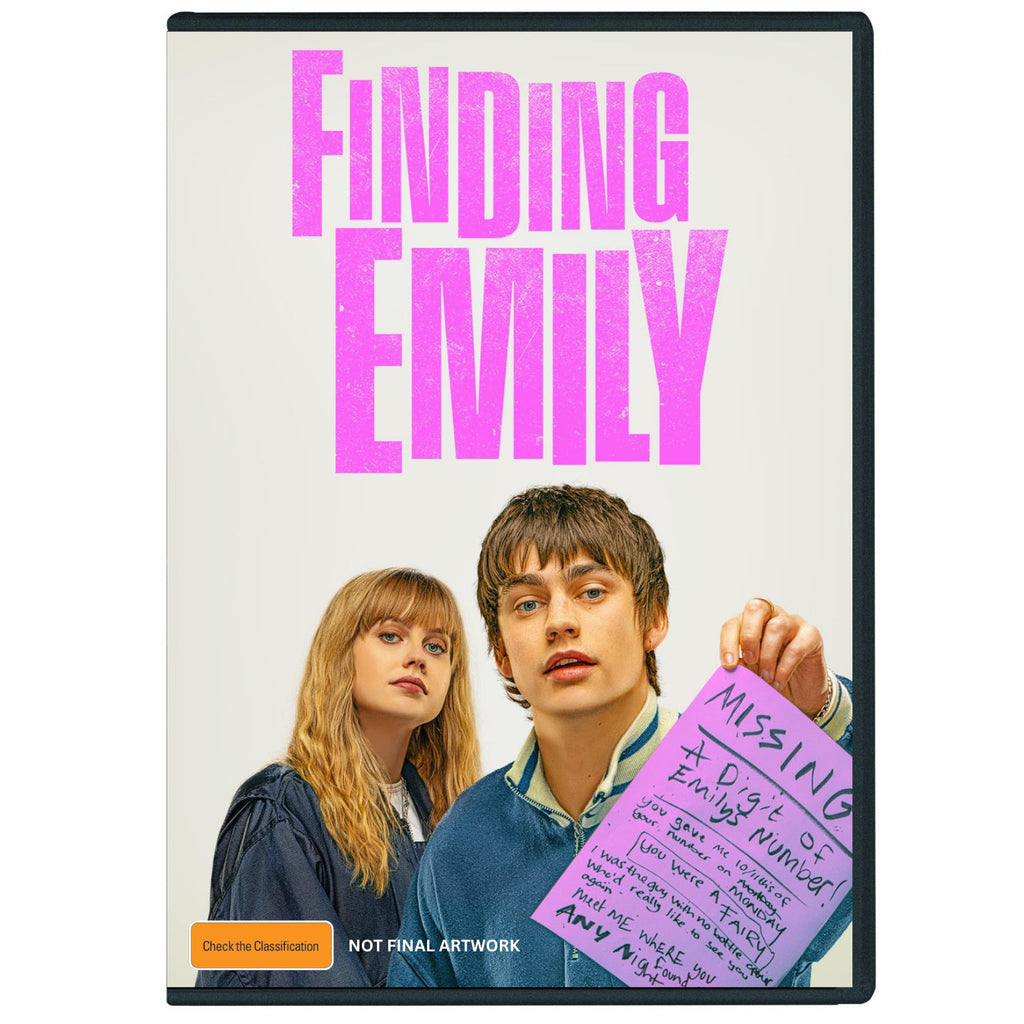
Fearn threads that needle by never asking the audience for sympathy, which makes us more inclined to offer it.
Angourie Rice Steals the Film She Anchors
Rice, by contrast, plays Emily as someone who has been performing competence for so long that the mask has calcified into personality. Her thesis project is presented initially as a clever conceit, a way to keep Owen at arm’s length while satisfying her intellectual curiosity.
What Rice communicates without dialogue is the slow horror Emily feels as her data collection becomes emotionally compromising, and then emotionally catastrophic. This is one of her strongest performances precisely because she refuses to ask for our forgiveness.
The chemistry between the two leads is genuine and slightly off-kilter in a way that benefits the material. Their banter has the rhythm of people still figuring out if they like each other, which is exactly right for two early-twentysomethings navigating first serious feelings.
Alicia MacDonald’s Manchester
Director Alicia MacDonald shoots the university and surrounding city with the affection of someone who knows these streets. The color palette skews warm and oversaturated, almost pop-art in places, and there’s a clear homage in the slow-motion meet-cute styled after West Side Story that announces the film’s genre intentions early.
The Manchester setting isn’t interchangeable with any other British city; the architecture, the autumnal light, the late-night chip-shop conversations all feel specific.
Where the Formula Shows Through
Rachel Hirons’ screenplay is sharper than most in the genre, and the dialogue lands with precision, but the structure hews closely to romcom orthodoxy.
The third act misunderstanding is telegraphed well in advance, and the resolution arrives with the inevitability of a train you can see pulling into the station from three miles away.
For audiences deeply familiar with the form, this predictability blunts some of the emotional impact, even when the individual scenes are doing strong work.
The pacing, while brisk through the middle act, sags slightly in the final third, where a series of emotional confrontations feel scripted to hit predetermined beats rather than emerging organically from character.
The soundtrack, though effective in isolated moments, leans heavily on a particular strain of British indie optimism that occasionally overwhelms scenes that might have played better with more sonic restraint.
The Ethics Problem Hiding in the Premise
What gives Finding Emily an edge over its peers is the discomfort simmering beneath its sunny surface. Emily is, after all, studying Owen without his knowledge or consent, observing his emotional vulnerabilities and recording them for academic credit.
The film gestures toward the ethical questions this raises, but never fully grapples with them in a way that satisfies.
One scene in particular, where Emily rationalizes her methodology during a supervision session, brushes up against something genuinely troubling before the film pivots back to comedy. The decision to under-examine this isn’t a fatal flaw, but it leaves a residue of unease that sits strangely against the otherwise buoyant tone.
Certain supporting characters function primarily as ideological foils, with broad portrayals of student politics that feel like easy targets rather than thoughtful engagement. These caricatures undermine the film’s own apparent interest in questions of ethics and intention.
Love as Self-Deception
Underneath the genre trappings, Finding Emily is asking whether romantic pursuit is fundamentally a form of self-deception. Owen is searching for an idea as much as a person; Emily is studying a stranger as a way to avoid examining her own romantic life.
Both characters are using each other, in different registers, to avoid the harder work of knowing themselves.
The film suggests, gently, that real connection requires the courage to drop the protective frameworks, whether that’s a thesis or a fantasy of the perfect wrong-number girl.
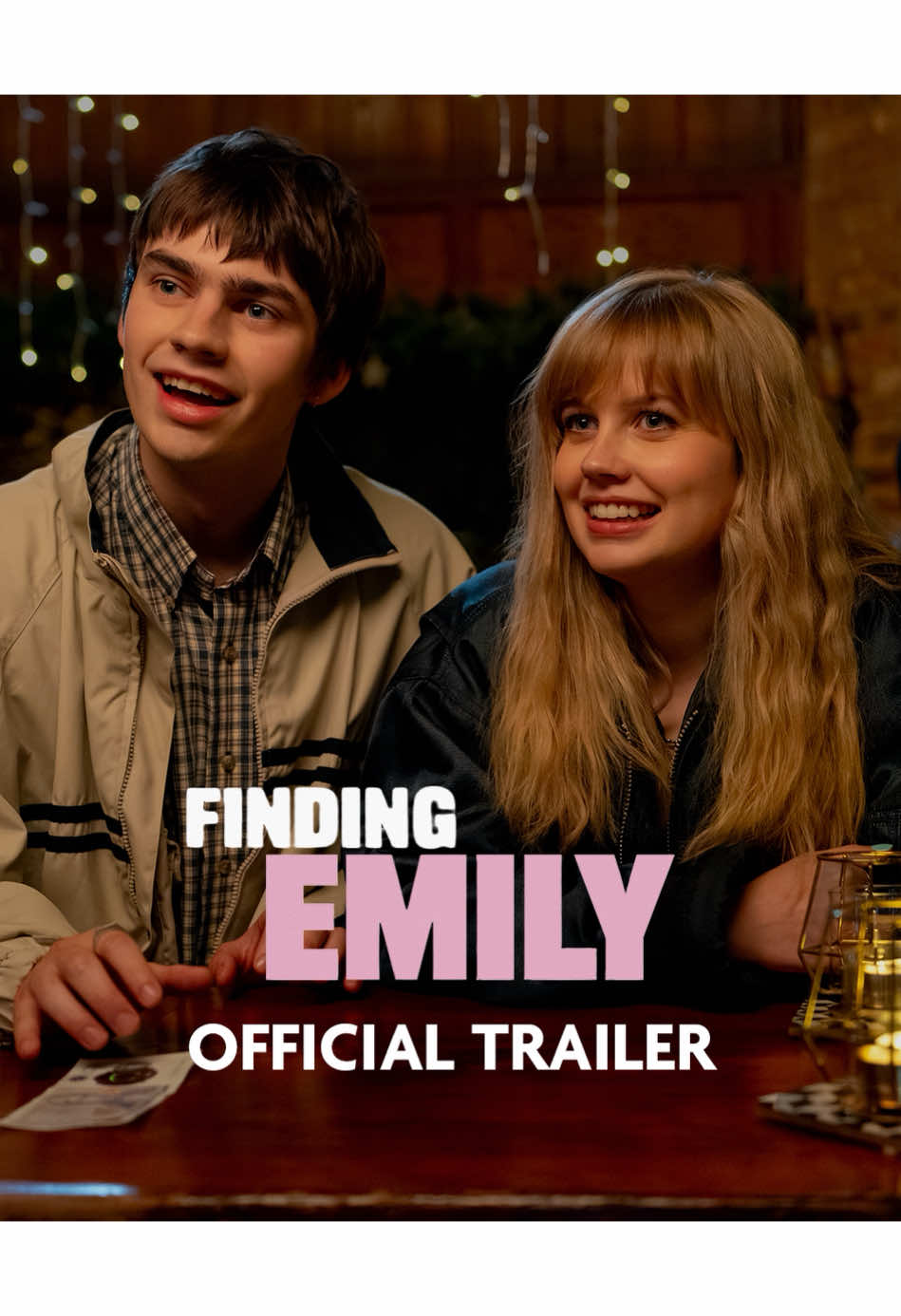
Finding Emily isn’t revolutionary. It won’t reinvent the genre or produce the kind of quotable lines that will outlast its release window.
What it does, reliably and with consistent craft, is remind audiences that the big-screen romantic comedy can still work when treated with intelligence, specificity, and respect for its characters.
In a year starved for the form, that feels like a small miracle. Working Title, the studio that gave us Four Weddings and a Funeral, has produced something that, if not quite at that level, at least suggests the lineage continues.